Por que a estabilidade da umidade é importante no processamento industrial
Na produção de extratos vegetais em pó, em especial de extractos vegetais ou botânicos, o teor de umidade é um parâmetro de qualidade crítico, que afecta directamente a fluidez do pó, a estabilidade de armazenamento, a qualidade dos produtos e a qualidade dos produtos.solubilidade, e desempenho da formulação a jusante.
Para os fabricantes de produtos farmacêuticos e nutracêuticos, as flutuações no teor de umidade muitas vezes levam a inconsistência do lote, tornando o controle do processo uma preocupação fundamental na seleção de equipamentos.
Os principais desafios por trás da variabilidade da umidade
Condições térmicas instáveis
Temperaturas de ar de entrada e saída inconsistentes podem levar a taxas de evaporação desiguais, resultando em níveis de umidade finais instáveis.
Atomização não uniforme
Os extratos de alta viscosidade tendem a formar gotas de tamanhos variados:
- Gotas maiores podem reter o excesso de umidade
- Gotas menores podem secar demais
Efeitos da deposição das paredes
Os materiais pegajosos podem aderir às paredes da câmara de secagem, criando zonas de secagem desiguais e afetando a consistência geral da umidade.
Estratégias de processo para o controlo estável da umidade
Gestão da janela de temperatura
É essencial um intervalo de temperatura de secagem controlado:
- Temperatura de entrada: aproximadamente 150 ∼ 200 °C
- Temperatura da saída: aproximadamente 80-100°C
Esta gama permite uma evaporação rápida, mantendo os níveis de umidade final em torno de 3 ∼5%, garantindo a estabilidade do produto.
Controle de atomização
O ajuste do atomizador centrífugo permite uma distribuição uniforme do tamanho das gotículas, levando a resultados de secagem mais consistentes.
Alimentação contínua e automação
Uma taxa de alimentação estável combinada com sistemas de controlo automatizados minimiza as flutuações e garante um desempenho constante do processo.
Escolha de equipamentos: o que procurar
Projeto anti-aderência
Para materiais viscosos, características como vibração e mecanismos de varredura de ar ajudam a reduzir a deposição da parede e melhorar a uniformidade de secagem.
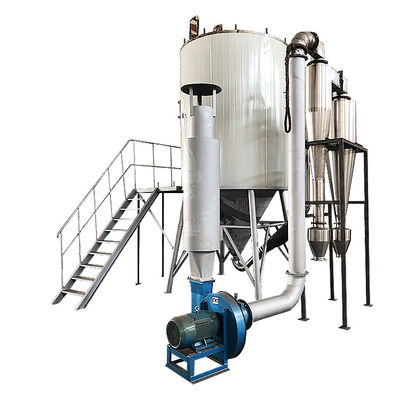
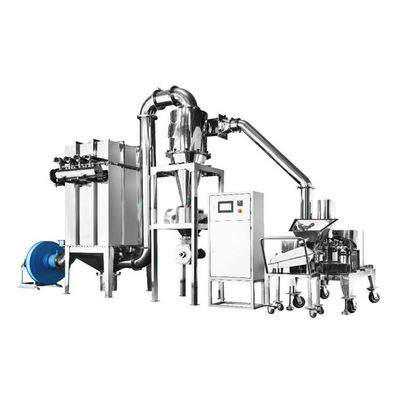
Recolha de pó em vários estágios
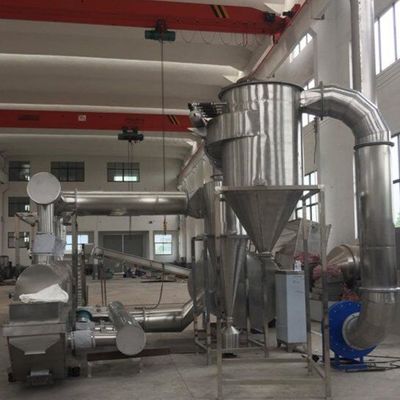
As combinações de filtro de ciclone e de filtro de saco melhoram a recuperação de pó e contribuem para o funcionamento estável do sistema.
Construção em conformidade com as BPF
As peças de contacto de aço inoxidável garantem higiene, resistência à corrosão e conformidade com as normas farmacêuticas.
Insights da indústria: rumo a sistemas de secagem controlados
A indústria está a passar de uma capacidade básica de secagem para um controlo preciso do processo.
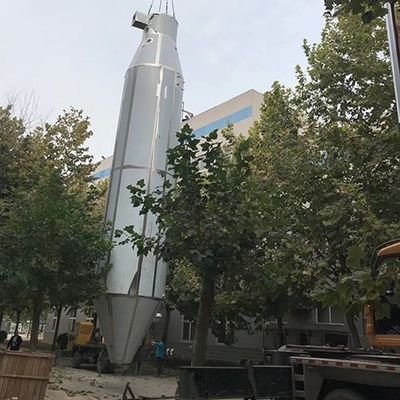
Os sistemas de secagem por pulverização com perfis de temperatura controlados, projetos antiaderentes e recuperação eficiente de pó são cada vez mais preferidos para a produção de extratos vegetais de alto valor.



 Por favor verifique seu email!